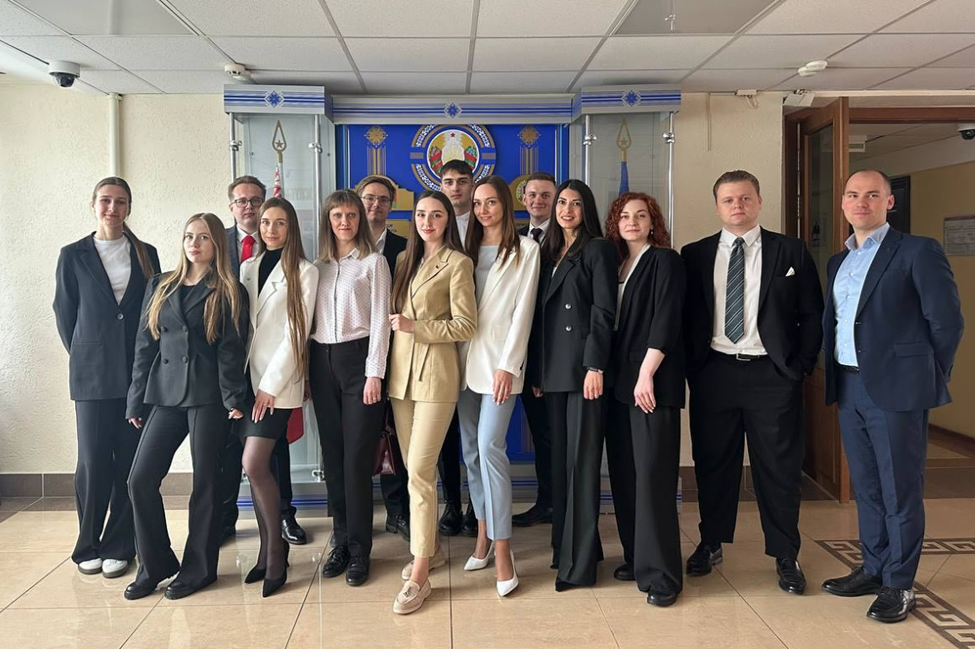
On 7 May 2025, the Qualification Commission of the Ministry of Justice held another round of examinations. According to the Ministry, the following individuals qualified as attorneys: Kristina Asryan, Ekaterina Vinogradova, Aleksei Gerasimenok, Kseniya Zhvirblia, Bogdan Klymyuk, Igor Nizovtsov, Artem Saevich, Darya Stepanova, Mariya Shepelevich, Aleksandr Shishkovets (all admitted to the Minsk City Bar Association); Aleksei Zhutchenko, Mariya Novik, Natalya Sinkevich (Vitebsk Regional Bar Association); and Anna Lukashevich (Grodno Regional Bar Association). Since the beginning of the year, 17 more persons had already joined the profession, making 31 new attorneys in total – a figure still close to last year’s for the same period.
From Prosecutors to Defence Attorneys
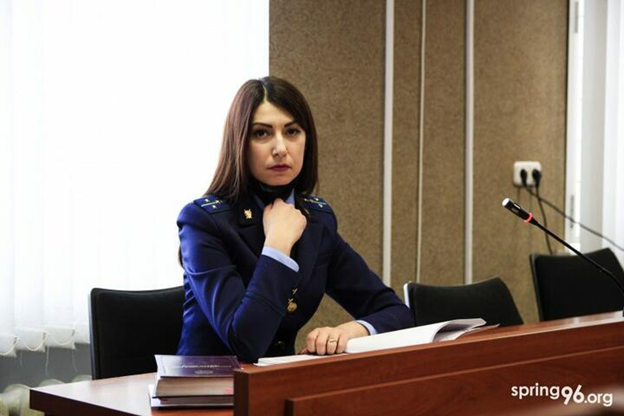
One name on the list drew particular attention: Kristina Asryan (pictured on the cover). Until recently she served as deputy prosecutor of Minsk’s Frunzensky district. Having started her career in the prosecution service straight after graduating from law school in 2014, she described herself in a 2022 interview with Minsk-News as a “practising state prosecutor”, noting that she had supported the prosecution in more than 600 cases – an average of some 80 per year. Strikingly, in that same interview she admitted that the hardest part of the job was the fact that defendants and their lawyers “constantly opposed the prosecution”. We hope that in her new capacity she will now recognise that everyone has the right to a defence – including the right to oppose the prosecution.
“The difficulty of the trial lay in the sheer volume of information that had to be examined. All 12 defendants were represented by their lawyers and resisted the prosecution in every possible way. I particularly recall the ingenuity of the offenders, only one of whom admitted guilt,” our interlocutor recalls. “The courtroom was packed to capacity: guards, relatives and acquaintances of the accused… The hearings ran daily from morning till evening for a month. Afterwards, two defence lawyers petitioned for the full verdict to be read out rather than just its operative part. That took another two working days.” >
As a prosecutor, Asryan took part in several notable cases: the criminal proceedings against S. Chikilev and Yu. Aniskevich, an order to recover costs for the removal of a flag in the Kaskad neighbourhood, and, prior to 2020, the Motovelo case. She also took part in activities typical of Belarusian prosecutors today: giving propaganda-style lectures on “the genocide of the BSSR population during the Second World War”, attending working meetings on amendments to the Criminal Code, and participating in official visits to schools. Her career trajectory was solid by the standards of today’s Belarus: deputy prosecutor of the city’s largest district is a position of real visibility.
Her reasons for switching to the bar remain unclear. It is unlikely, however, that moral objections to the current functions of the prosecution were decisive. The chronology of her admission is also of interest: she was accepted as a trainee on 29 November 2024, but only sat the exam on 7 May 2025, despite earlier sessions in March and April. Since 2021, a simplified procedure has applied for former prosecutors, judges, and investigators, with a shortened traineeship of up to three months (as opposed to three to six months for others) and an oral exam, provided a recommendation is obtained from the former employer. In this case, the five-month gap suggests she may have undergone the standard route.
Who else entered the Bar
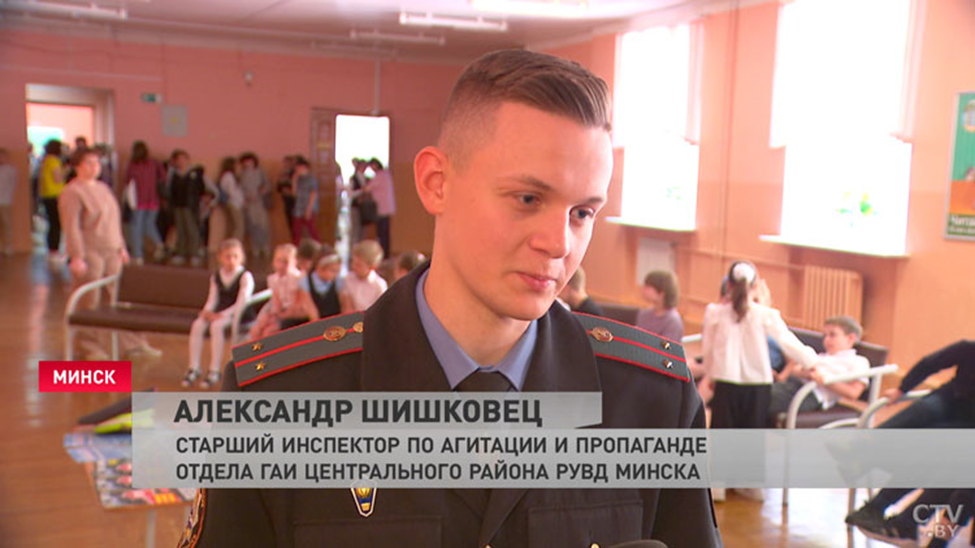
The intake also reflects a continuing policy of recruiting fresh graduates. Of the 14 who passed on this occasion, 10 appear to be recent students. Others included a former self-employed legal consultant and, somewhat amusingly, the full namesake of a senior propaganda inspector from Minsk’s traffic police, Aleksandr Shishkovets. Notably, Dmitry Lisovsky – a long-standing patent attorney since 2013 – was listed among the candidates but did not pass. Whether this was due to illness or other reasons is unclear, but the absence of an experienced professional amid a general intake of novices raises questions. It is widely understood that passing the Qualification Commission’s exam depends less on knowledge or preparation than on the Commission’s willingness to allow it. Numerous highly qualified attorneys have failed re-certification after defending political prisoners, speaking to the press, or refusing to toe the official line.
One name on the list drew particular attention: Kristina Asryan (pictured on the cover). Until recently she served as deputy prosecutor of Minsk’s Frunzensky district. Having started her career in the prosecution service straight after graduating from law school in 2014, she described herself in a 2022 interview with Minsk-News as a “practising state prosecutor”, noting that she had supported the prosecution in more than 600 cases – an average of some 80 per year. Strikingly, in that same interview she admitted that the hardest part of the job was the fact that defendants and their lawyers “constantly opposed the prosecution”. We hope that in her new capacity she will now recognise that everyone has the right to a defence – including the right to oppose the prosecution.
“The difficulty of the trial lay in the sheer volume of information that had to be examined. All 12 defendants were represented by their lawyers and resisted the prosecution in every possible way. I particularly recall the ingenuity of the offenders, only one of whom admitted guilt,” our interlocutor recalls. “The courtroom was packed to capacity: guards, relatives and acquaintances of the accused… The hearings ran daily from morning till evening for a month. Afterwards, two defence lawyers petitioned for the full verdict to be read out rather than just its operative part. That took another two working days.” >
As a prosecutor, Asryan took part in several notable cases: the criminal proceedings against S. Chikilev and Yu. Aniskevich, an order to recover costs for the removal of a flag in the Kaskad neighbourhood, and, prior to 2020, the Motovelo case. She also took part in activities typical of Belarusian prosecutors today: giving propaganda-style lectures on “the genocide of the BSSR population during the Second World War”, attending working meetings on amendments to the Criminal Code, and participating in official visits to schools. Her career trajectory was solid by the standards of today’s Belarus: deputy prosecutor of the city’s largest district is a position of real visibility.
Her reasons for switching to the bar remain unclear. It is unlikely, however, that moral objections to the current functions of the prosecution were decisive. The chronology of her admission is also of interest: she was accepted as a trainee on 29 November 2024, but only sat the exam on 7 May 2025, despite earlier sessions in March and April. Since 2021, a simplified procedure has applied for former prosecutors, judges, and investigators, with a shortened traineeship of up to three months (as opposed to three to six months for others) and an oral exam, provided a recommendation is obtained from the former employer. In this case, the five-month gap suggests she may have undergone the standard route.
Who else entered the Bar
The intake also reflects a continuing policy of recruiting fresh graduates. Of the 14 who passed on this occasion, 10 appear to be recent students. Others included a former self-employed legal consultant and, somewhat amusingly, the full namesake of a senior propaganda inspector from Minsk’s traffic police, Aleksandr Shishkovets. Notably, Dmitry Lisovsky – a long-standing patent attorney since 2013 – was listed among the candidates but did not pass. Whether this was due to illness or other reasons is unclear, but the absence of an experienced professional amid a general intake of novices raises questions. It is widely understood that passing the Qualification Commission’s exam depends less on knowledge or preparation than on the Commission’s willingness to allow it. Numerous highly qualified attorneys have failed re-certification after defending political prisoners, speaking to the press, or refusing to toe the official line.
The price of admission
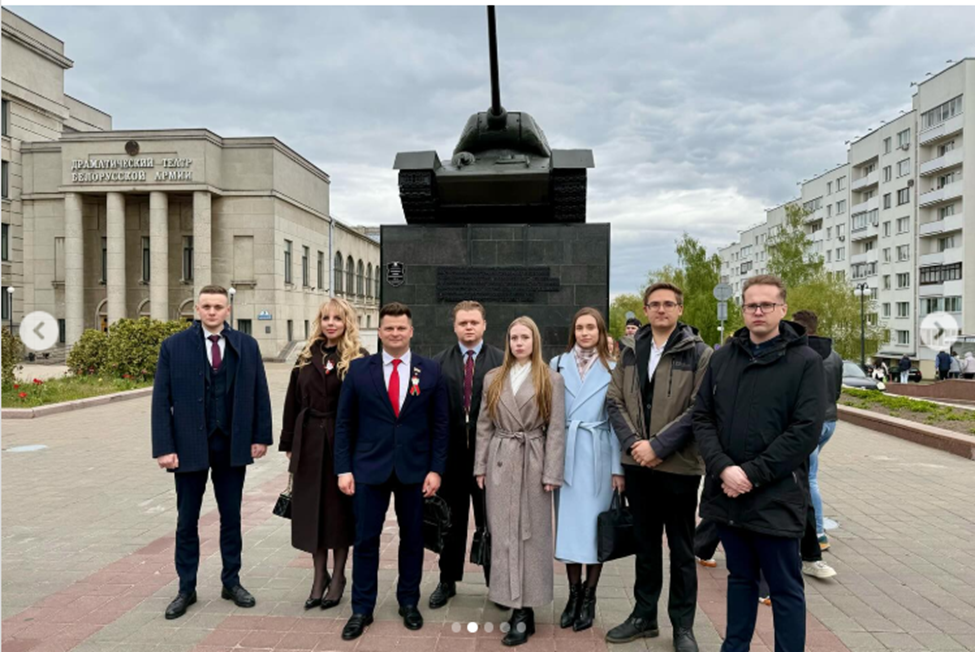
As we reviewed the list of new attorneys, one revealing fact stood out. Having passed their exams on 7 May, several of them (Shishkovets, Nizovtsov, Gerasimenok, Klymyuk, and Zhvirblia) were already required by 10 May to lay flowers at a monument to Minsk’s liberators, as part of a meeting of the BRSM youth organisation and allied groups, apparently including the Young Lawyers Council.
Such rituals now appear to be part of the price of remaining in the profession: unconditional participation in state-sponsored propaganda events. We previously wrote as to “What Should Belarusian Bar Prioritize Over Another Flower-Laying Ceremony.” For more information on how the state is turning the legal profession into an instrument of propaganda, see our earlier coverage – including the Young Lawyers Council’s “collaboration” with the GUBOPiK police unit.
As we reviewed the list of new attorneys, one revealing fact stood out. Having passed their exams on 7 May, several of them (Shishkovets, Nizovtsov, Gerasimenok, Klymyuk, and Zhvirblia) were already required by 10 May to lay flowers at a monument to Minsk’s liberators, as part of a meeting of the BRSM youth organisation and allied groups, apparently including the Young Lawyers Council.
Such rituals now appear to be part of the price of remaining in the profession: unconditional participation in state-sponsored propaganda events. We previously wrote as to “What Should Belarusian Bar Prioritize Over Another Flower-Laying Ceremony.” For more information on how the state is turning the legal profession into an instrument of propaganda, see our earlier coverage – including the Young Lawyers Council’s “collaboration” with the GUBOPiK police unit.